Insights
- 22 October 2026
A Conversation with Jo-Anne Gardener
Security Project Support Manager, LMS Security Advisors
Behind every successful deployment at LMS Security Advisors is a meticulous framework of security precision and team alignment. It relies on seamless support and continuous governance to transition complex security designs into flawless realities.
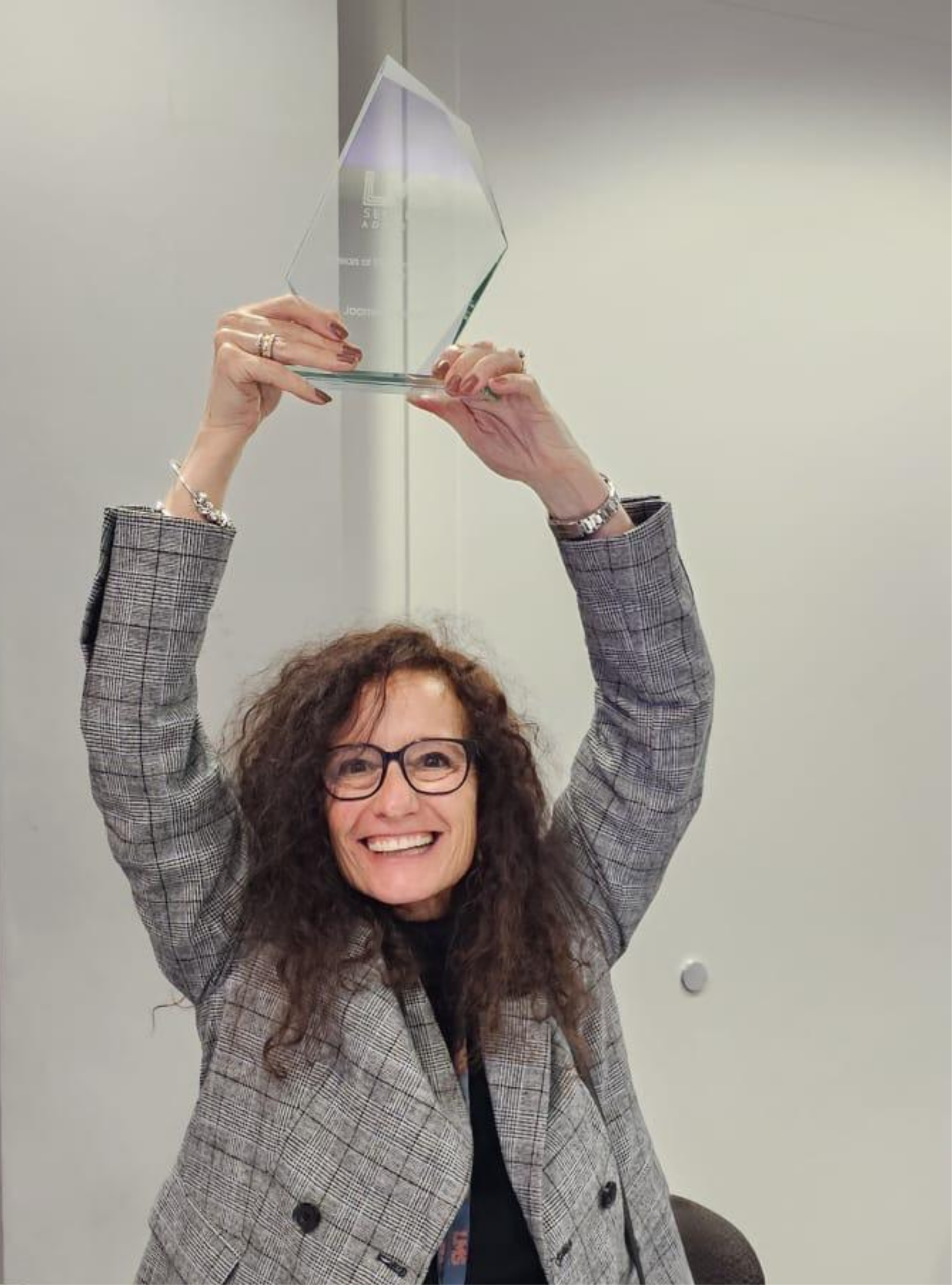
Steering this operational engine is Jo-Anne Gardener, who channels decades of frontline industry expertise into her role as Security Project Support Manager. Celebrating a five-year milestone with the firm, Jo serves as a critical link between high-level initiatives and ground-level execution, continuously refining workflows and elevating how the team collaborates under pressure.
We caught up with Jo to dissect her five years at LMS, exploring how she manages complex project ecosystems and what it takes to sustain security velocity in a rapidly evolving sector.
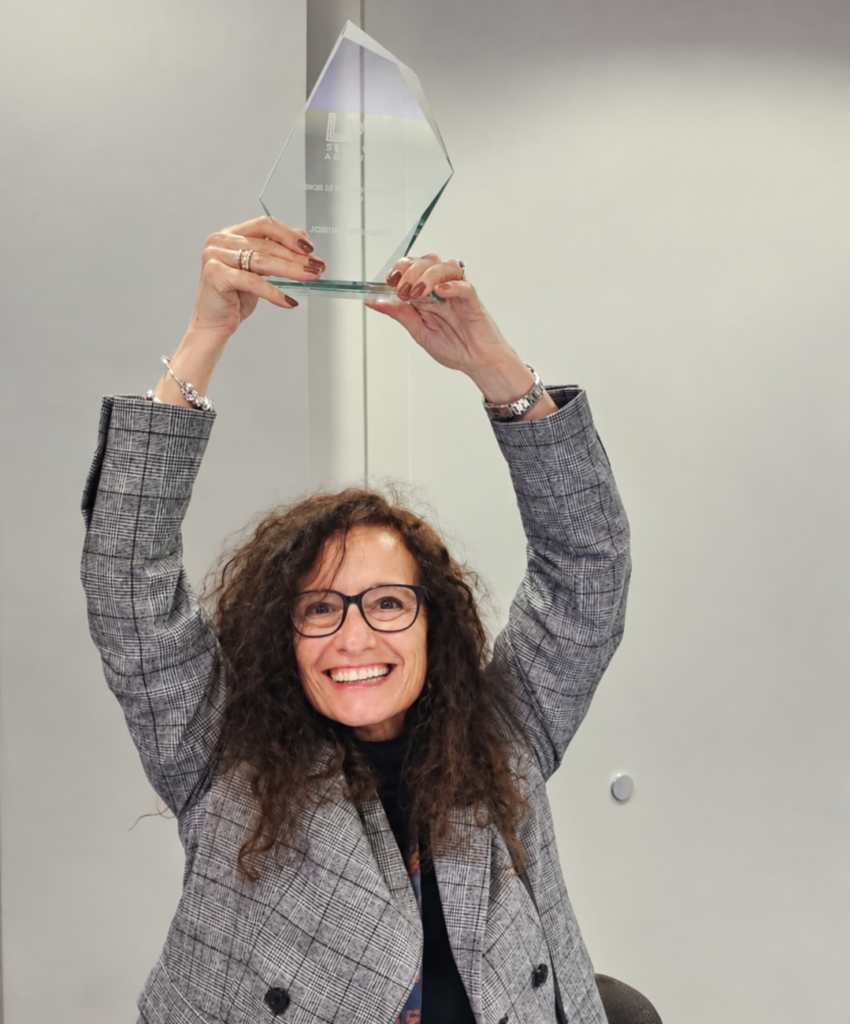
Project support brings structure, visibilty and clarity so teams can focus on deliver.
Jo-Anne Gardener
1. To start, could you give us a brief overview of your journey into the security side of LMS, and what a typical day looks like for you as Security Project Manager?
My journey has focused on coordination, organisation and communication to help teams deliver projects successfully. A typical day involves reviewing priorities, deadlines and issues, then coordinating with project managers, teams and stakeholders.
I maintain documentation, track actions, organise meetings and help the team adapt when priorities change. For me, project support brings structure, visibility and clarity so teams can focus on delivery.
2. Given your decades of experience in the security sector, think back to a traditional industry habit you used to see everywhere. What was it, and why did it have to be broken to thrive in today’s modern LMS Security ecosystem?
One traditional habit was relying heavily on manual processes and doing things because that’s how we have always done it. LMS has done a great job of embracing technology, improving processes and encouraging people to work smarter. That has made us efficient, responsive and connected.
For me, its about respecting what worked in the past while always looking for better ways to support our teams and clients.
3. A blueprint prepares us to thrive in a dynamic, client-facing environment. How do you maintain operational control when a client’s security requirements suddenly shift at the eleventh hour?
When requirements change at short notice, I first confirm what has changed and assess the impact on plans, deadlines, resources and actions.
I then work with the Project Manager and teams to reprioritise, update responsibilities and document the change clearly. Have clear communication with internal stakeholders and manage expectations, escalate risks early and assist with keeping the delivery controlled.
4. As the Support Project Manager, what is the process you follow to break down a security strategy into simple, daily workflows for the team?
I start by understanding the overall objective, then break it into milestones, deliverables and actions.
I work with the Project Manager and team to assign owners, deadlines and dependencies. Making actions clear through trackers and providing clear updates. Day to day, I manage priorities, monitor blockers and escalate issues.
5. Given the rapid advancement of technology and Artificial Intelligence, how do you balance immediate technological integration with long-term project scalability?
I see technology and AI as useful when it solves a real problem. Before adopting anything new, I consider efficiency. The aim is to improve processes without adding complication.
6. A great security strategy is only as strong as the people who adopt it. How do you engage and inspire teams to fully embrace new security protocols right from day one?
Successful adoption starts with clear communication and leading by example. People are more likely to embrace a new protocol when they understand why it matters and how it benefits the project.
I would make the process clear, practical and easy to follow, with clear responsibilities and guidance. I monitor and address issues quickly and gather feedback. For me, change succeeds when people understand it, feel supported and can apply it easily.
7. Let’s look at your five-year milestone with LMS Security Advisors. What is that one advice you would offer professionals on leading security operations across cross-functional teams?
My advice would be to communicate clearly, build strong relationships and keep everyone focused on the same goal. As a Project Support Manager, I believe in staying organised, tacking actions, dealing with issues early and making sure people have the information they need.
You don’t always need authority to lead. Being reliable, supportive and organised can have just as much impact and helps the team succeed.
This is the first in the series, with more conversations with the LMS Security Advisors team coming soon. Stay tuned for the next one.